Old Wiring & Insurance · Hamilton, ON
Aluminum Wiring Insurance in Hamilton
The Code permits it. Your insurer may not. The problem was never the wire itself, it is every place the wire is connected to something.
 WSIB compliant · 30+ years · ECRA/ESA 7009372
Quick answer
Aluminum wiring insurance is where most Hamilton homeowners get stuck, not the Code. Aluminum wiring is permitted by the Ontario Electrical Safety Code and does not have to be removed when the connections are sound. Some insurers, though, will not write or renew a policy without an ESA inspection, and may ask for a Certificate of Acceptance.
Aluminum wiring is the one old-wiring topic where almost everything you will read online is either alarmist or too relaxed, and the accurate position is neither. It is legal. It can be perfectly safe. It can also be the reason an insurer declines you, and the two facts have less to do with each other than you would expect.
Apollo Electric Inc. has remediated aluminum branch circuits across Hamilton, Stoney Creek and the surrounding area under ECRA/ESA licence 7009372. This page covers what the regulator actually says, what aluminum wiring insurance usually depends on, why the connections matter more than the conductor, and what a proper repair looks like so you can tell it from a cheap one.
Where It Came From, and Where It Still Is
Copper prices rose sharply in the 1960s, and aluminum wiring became the economical choice for branch circuits in new houses. The Electrical Safety Authority puts the window plainly: if your home was built between the mid 1960s and the late 1970s, you may have it.
That is a precise date range, and it is the first thing to check. A house built in 1958 almost certainly has no aluminum wiring. A house built in 1972 very possibly does, and a house built in 1985 does not. The era narrows the question faster than any inspection.
Worth separating from the start: this page is about aluminum branch circuit wiring, the conductors feeding your outlets, switches and lights. Aluminum service entrance conductors and aluminum feeders to a subpanel are a different thing, are completely normal, and are still installed new today. Nobody is asking you to replace those.
Why Is Aluminum Wiring Insurance Harder to Get?
Here is where the online advice on aluminum wiring insurance goes wrong in both directions.
The Ontario Electrical Safety Code permits aluminum wiring. There is no legal requirement to remove it from your house. The Electrical Safety Authority's position is direct: aluminum wiring is safe if proper connections and terminations are made without damaging the wire.
Aluminum wiring insurance is a separate conversation with its own logic. The regulator notes that some insurers will not provide or renew coverage on homes without an ESA inspection, and that you may need to repair or replace the wiring and give your insurer a Certificate of Acceptance. Requirements vary between insurers, which is why the regulator's own advice is to ask yours what it wants.
So the honest framing is the same one that applies to knob and tube wiring, with one important difference. Knob and tube had its installation rules deleted from the Code and survives only because the Code is not retroactive. Aluminum is still permitted outright. It is in better legal standing than its reputation suggests.
What both have in common is that the insurer, not the regulator, usually decides what happens next.
Does Aluminum Wiring Have to Be Replaced?
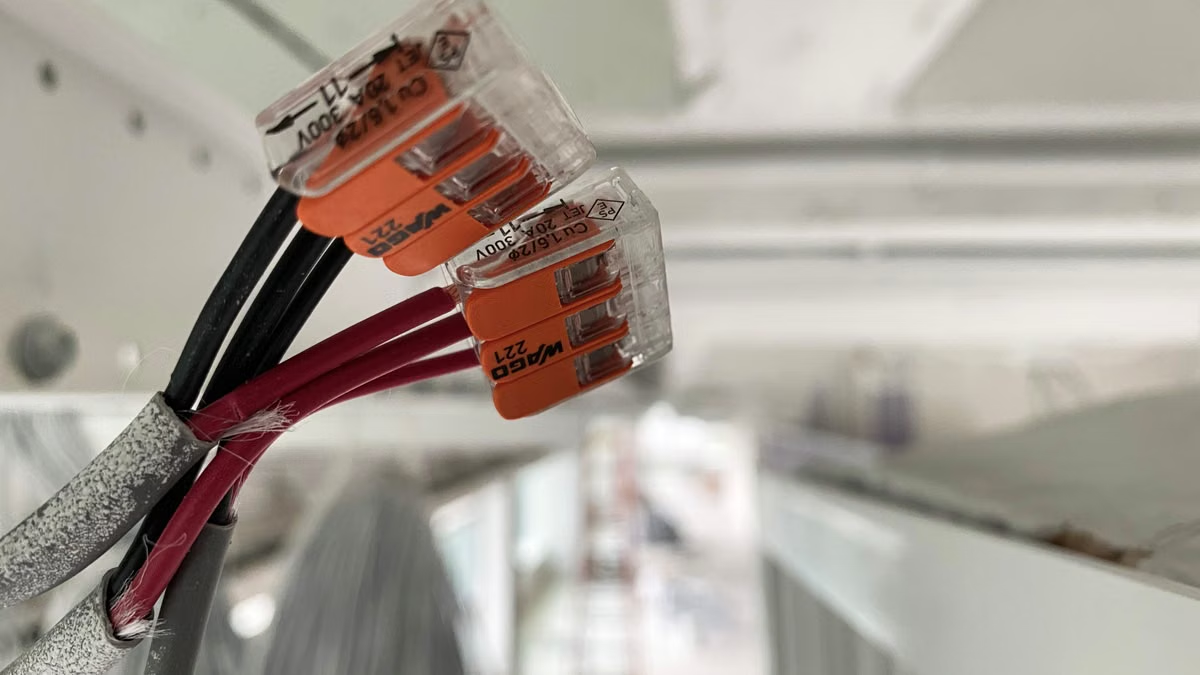
No, and that is the regulator's position rather than ours. What it has to be is properly terminated and then inspected, which is a very different and much cheaper proposition than a rewire.
In practice, remediation rather than replacement is the usual answer. Full replacement makes sense in four situations:
- Your insurer requires it in writing, and will not accept remediation with a Certificate of Acceptance.
- The conductors are damaged, nicked, overheated or discoloured at multiple points.
- The house is already being opened up for a renovation, which makes replacement cheap by comparison.
- The circuits are being substantially altered anyway, for an addition or a new kitchen.
Everywhere else, having a licensed contractor assess and correct the terminations is the proportionate answer. The regulator is clear that each home is different and must be assessed on its own, which is a polite way of saying nobody can tell you the answer from a phone call.
The Problem Is at the Connections, Not the Wire
This is the mechanism, and understanding it tells you which quote to believe.
Aluminum wiring behaves differently from copper where it is clamped to something. It expands and contracts more with heat, it is softer so it deforms under a screw, and its surface oxide does not conduct the way copper's does. None of that matters along the middle of a run. All of it matters at the two ends.
So the failure point is the device: the outlet, the switch, the splice in a junction box, the breaker terminal. A connection that loosens over decades of warming and cooling develops resistance, resistance makes heat, and heat makes the connection worse. That is a slow loop, which is why problems appear long after installation rather than on day one.
What that means for you day to day:
- A warm cover plate or switch is not normal and is the single most useful symptom to act on.
- Discolouration or a faint burnt smell at a device is further along the same path.
- Flicker at one fixture or one circuit often ends at exactly this kind of connection.
- Devices that no longer grip a plug have usually been worked loose, and on aluminum that matters more. A loose receptacle on aluminum wire often sparks first, as our guide to sparking outlets explains.
It also explains why replacing a receptacle yourself is a worse idea on aluminum wiring than on copper. A device not rated for aluminum, or one tightened the way you would tighten copper, creates the exact condition you were trying to avoid.
How to Tell If Your House Has It
Three checks you can do without opening anything live.
- Check the build year first. Mid 1960s to late 1970s is the window. Outside it, the question usually answers itself.
- Look at exposed cable in the basement or attic. Cable sheathing from that era is often marked, and the marking may include the word ALUMINUM or the abbreviation AL. Read it, do not disturb it.
- Check your paperwork. If a past insurance application or a home inspection report asked about wiring type, the answer is already on file somewhere.
What not to do is pull a receptacle out of the wall to look at the conductor. That is live work on the exact connection this page is about, and it is the one place where a confident homeowner does real damage. A licensed contractor opens devices as part of the assessment anyway.
What Proper Remediation Involves
Five steps to remediate aluminum wiring properly, and the fifth is the one that settles most aluminum wiring insurance questions.
- Assessment by a Licensed Electrical Contractor familiar with aluminum. The regulator says to hire one specifically experienced with it, which is not a formality. The contractor opens devices, checks terminations and looks for damage.
- Notification of work filed with the Electrical Safety Authority before the work starts. The contractor files it, never you.
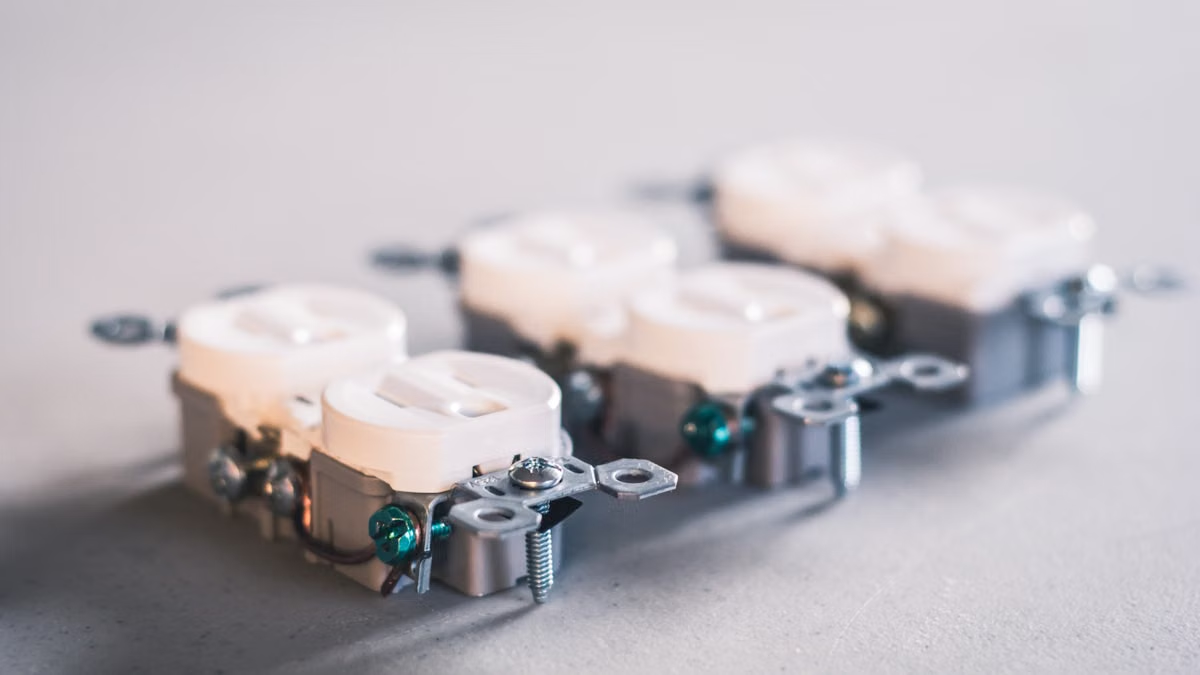
- Correct the terminations. Only devices approved for use with aluminum wire may be used, installed according to the Code and the manufacturer's instructions. In practice that means either devices rated for direct connection to aluminum, or copper tails joined to the aluminum with an approved connector so the device sees copper. Which approach suits your house is the contractor's call, not a preference.
- ESA inspects the work.
- You receive the Certificate of Acceptance. Ask for a copy and keep it. This is the document aluminum wiring insurance usually turns on and the one a buyer's lawyer will ask about years from now.
A quote that skips steps two, four and five will always be cheaper. It will also leave you with no paperwork at the exact moment paperwork is the entire point of the exercise. The wider checks on any contractor are under how to hire a licensed electrician.
Stoney Creek, East Hamilton and the 1970s Build
Hamilton's geography puts aluminum wiring in fairly predictable places, which makes the first conversation quicker.
The pre-war lower city, Durand, Corktown, Strathcona and the North End, sits mostly outside the window. Those houses have the older problems: knob and tube, sixty amp services, decades of additions. The aluminum era lands instead on the post-war and 1970s subdivisions, which in this city means much of the upper Mountain, large parts of Stoney Creek, and the east end builds that went up as the steel economy expanded.
Those houses tend to share a second trait worth knowing: they were built for the electrical load of their time. A 1972 house with its original service, original devices and original aluminum branch circuits is now running a second fridge, a home office and often a panel at its capacity limit. The wiring question and the capacity question tend to arrive in the same week.
The local distributor for Hamilton, Dundas, Ancaster, Stoney Creek and Waterdown is Alectra Utilities, 1-833-253-2872, which matters only if the problem turns out to be on the supply rather than inside the house. For a downed line, stay back at least 10 metres and call 911 first.
If you want the wiring assessed before an aluminum wiring insurance renewal, get in touch or call 905-921-5487. You can read more about how we handle compliance on our electrical safety page.
Frequently Asked Questions
Is aluminum wiring illegal in Ontario?
No. The Ontario Electrical Safety Code permits aluminum wiring, and there is no legal requirement to remove it from an existing home. The Electrical Safety Authority states it is safe when proper connections and terminations are made without damaging the wire. The pressure to act usually comes from an insurer rather than from the Code.
Will insurance cover a house with aluminum wiring?
Aluminum wiring insurance depends on the insurer. The Electrical Safety Authority notes that some will not provide or renew coverage without an ESA inspection, and that you may need to repair or replace the wiring and provide a Certificate of Acceptance. Requirements vary, so ask your own insurer in writing what it needs before you buy or renew.
Does aluminum wiring have to be replaced, or can it be repaired?
Repair is usually the proportionate answer. Only devices approved for use with aluminum wire may be fitted, installed to the Code and the manufacturer's instructions, and the corrected work is then inspected. Full replacement makes sense where the conductors are damaged, where the insurer insists in writing, or where the house is being opened up anyway.
How do I know if my Hamilton house has aluminum wiring?
Start with the build year, because the Electrical Safety Authority puts the window at the mid 1960s to the late 1970s. Then look at exposed cable sheathing in the basement or attic for a marking that includes ALUMINUM or AL. Do not pull devices out of the wall to check. A licensed contractor does that as part of a proper assessment.
Why is aluminum wiring a problem at outlets and switches?
Because aluminum expands and contracts more than copper, is softer under a terminal screw, and carries a surface oxide. None of that matters along a run, but at a connection it can loosen over time. A loose connection develops resistance, resistance makes heat, and heat loosens it further. That is why a warm cover plate is worth acting on.
Does Apollo Electric work on aluminum wiring in Hamilton?
Yes. Apollo Electric Inc. is a Licensed Electrical Contractor under ECRA/ESA licence 7009372, serving Hamilton, Stoney Creek, Ancaster, Dundas, Waterdown and the surrounding area. We assess the terminations, file the notification of work, carry out the remediation with approved devices, and hand you the Certificate of Acceptance your insurer will ask for.
References
- Electrical Safety Authority, aluminum wiring, on the era, the Code permitting it, insurance, approved devices and the Certificate of Acceptance.
- Electrical Safety Authority, hiring an electrician or contractor, on why only a Licensed Electrical Contractor may be hired.
- Electrical Safety Authority contractor locator tool, for verifying any ECRA/ESA licence number.
- Alectra Utilities, Hamilton's electricity distributor, its 24 hour line and the 10 metre stay-back distance.
- Insurance Bureau of Canada, on home insurance and property risk in Canada.
Apollo Electric Inc.
Get the aluminum wiring assessed before your insurer asks. For aluminum wiring insurance, the certificate is the point.
Apollo Electric Inc., 83 Ferndale Ave, Hamilton, ON L8K 4L7
905-921-5487 · ECRA/ESA 7009372 · WSIB compliant · Answered 24 hours a day