Electrical Troubleshooting · Hamilton, ON
Sparking Outlet in Hamilton
A tiny blue flash as you plug something in is normal. A big, yellow or repeated spark is not, and that outlet needs a licensed electrician before anyone uses it again.
 WSIB compliant · 30+ years · ECRA/ESA 7009372
Quick answer
A sparking outlet that gives one tiny blue flash as you plug in or unplug a running device is usually normal. Large, yellow, white or repeated sparks are not, and neither is a spark with a pop, smoke, a burning smell or black marks. For those, switch that breaker off, leave the outlet unused and call a licensed electrician.
You push a plug into the wall and see a flash. Sometimes it is a tiny blue snap, gone before you blink. Other times it is a louder pop, a yellow flash or a black mark on the plate. Only the first one is normal.
A sparking outlet is one of the most common calls we take in Hamilton, and almost every caller asks the same thing: is it safe to use again? This guide shows how to tell a normal spark from a warning sign, the seven causes we find most often, and what to do in the first five minutes.
Is a Sparking Outlet Dangerous?
It depends on what the spark looked like and when it happened. A small, brief spark at the moment a plug goes in or comes out is part of how electricity works. On the other hand, a spark that is large, coloured, loud or repeated is a fault.
Here is why the normal one happens. A live outlet always has voltage on its contacts. As the prongs of a plug slide in, there is a split second when they are almost touching the contacts but not quite. If the device is switched on, or has a charger or power supply inside, current jumps that last tiny gap. That jump is a miniature arc, and you see it as a blue snap.
A dangerous spark, by contrast, comes from somewhere it should not. The usual sources are a loose wire behind the outlet, worn contacts that no longer grip the plug, a damaged cord, water, or two conductors touching. Those arcs repeat, and every one of them leaves heat behind.
- One small blue snap as you plug in or unplug, then nothing. Usually normal.
- A spark every time, or a spark when the plug is bumped or wiggled. A fault. Stop using that sparking outlet.
- A large, yellow, orange or white spark, a pop, smoke, a smell or black marks. Turn the breaker off now.
Is a Small Blue Spark Normal?
Yes, when it is small, blue, silent and gone instantly, and it only happens as the plug goes in or comes out. It is most common with devices that start drawing power right away, such as a vacuum, a kettle or a laptop charger. You can make it rarer by switching appliances off before plugging them in. However, a sparking outlet that gives the same small spark again and again should be checked.
Why Does My Outlet Spark When I Unplug Something?
Pulling the plug on a device that is still running breaks the circuit while current is flowing. For an instant, the current arcs across the widening gap between prong and contact. A space heater, hair dryer or vacuum pulled out mid-use will do it almost every time. Switch the device off first and the spark goes away. In contrast, a spark when you unplug something that was already off points to a worn or loose outlet.
Normal Spark or Warning Sign? How to Tell
Sort a sparking outlet by what you saw, heard and smelled. The table runs from harmless at the top to urgent at the bottom.
| What you see | What it usually means | What to do |
|---|---|---|
| One small blue snap as the plug goes in | A normal arc as the prongs meet the contacts | Nothing. Switch devices off before plugging in |
| A small spark as you pull out a running appliance | A normal arc as the circuit breaks | Switch the appliance off first next time |
| A spark every time at the same outlet | Worn contacts or a loose connection | Stop using it and book an electrician |
| Sparks when the plug is bumped, or plugs that fall out | Contacts that no longer grip the prongs | Stop using it and book an electrician |
| A large, yellow, orange or white spark, or a loud pop | A short circuit or heavy arcing | Breaker off, electrician today |
| Smoke, flame, black marks or a burning smell | Overheating or burning inside the box | Smoke or flame means 911, from outside |
Colour and size matter because they show how much energy the arc carried. A normal arc is brief and small, so it looks blue and fades instantly. A yellow, orange or white flash means more energy: a longer arc, more current, or metal and plastic burning at the contact. If the outlet also smells hot or has a brown mark, our guide to an outlet that smells hot or burnt covers that side of the problem.
What to Do Right Now After a Big Spark
Smoke or flame? Get everyone out, close the door behind you and call 911 from outside. Do not touch the outlet, the cord or the panel.
Short of that, work through these steps in order for any sparking outlet. They take about five minutes, and they make the electrician's diagnosis faster.
- Do not pull the plug while it is still sparking, smoking or hot. Switch off the breaker for that circuit first. If you cannot tell which breaker it is, switch off the main.
- Unplug the device once the power is off, and set it aside. Do not try it in another outlet until its cord and plug have been checked.
- Look without touching. Note black or brown marks, melted plastic or a cracked face on the outlet. Then check whether the prongs of the plug are pitted, bent or discoloured.
- Leave the breaker off and tape over the sparking outlet so nobody in the house uses it by mistake.
- Call a licensed electrician. Tell them what was plugged in, what the spark looked like, and whether a breaker tripped. Those three details shorten the visit.
Did a breaker trip on its own? That is the breaker doing its job. Reset it once at most, and if it trips again, leave it off. Our guide to a breaker that keeps tripping explains what the panel is telling you.
7 Causes, From Normal to Urgent
Almost every sparking outlet we open in Hamilton comes down to one of these seven. The middle column shows what you will notice. The last column shows how seriously to take it.
| Cause | What you notice | How serious |
|---|---|---|
| 1. Normal arc on plug-in or unplug | A tiny blue snap, only with a device that is switched on | Normal |
| 2. Worn outlet contacts | Plugs feel loose, droop or fall out, and spark when moved | Replace soon. Stop using it until then |
| 3. Loose terminal or push-in connection | Sparks plus a warm plate, flicker, or power that cuts in and out | Urgent. Breaker off |
| 4. Damaged plug or cord | One appliance sparks at more than one outlet, or its cord is nicked or crushed | Retire the appliance or cord |
| 5. Heavy load on a shared circuit | Sparks when a heater, kettle or vacuum goes in, sometimes with a trip | Moderate. Spread the load and have the circuit checked |
| 6. Water or moisture | Sparks at a kitchen, bathroom, basement or outdoor outlet | Urgent. Breaker off, GFCI protection needed |
| 7. Short circuit in the box | A loud pop, a large flash, a trip and then a dead outlet | Urgent. Breaker off, electrician today |
Causes two, three and seven are about the outlet and its wiring. Cause four is about the appliance, while cause five is about how much the circuit is being asked to carry. Working out which one you have is the first job on any service call. The checks further down help you narrow it before we arrive.
Is the Problem the Outlet or the Appliance?
Look at the pattern over the past few weeks. If several different plugs have sparked in one outlet, the outlet or its wiring is the problem. If one appliance has sparked at more than one outlet, its plug or cord is the likely cause. A plug with blackened or pitted prongs, a cracked housing or a cord that runs warm should be retired, not tested again.
Why Does My Outlet Spark When I Plug In a Space Heater?
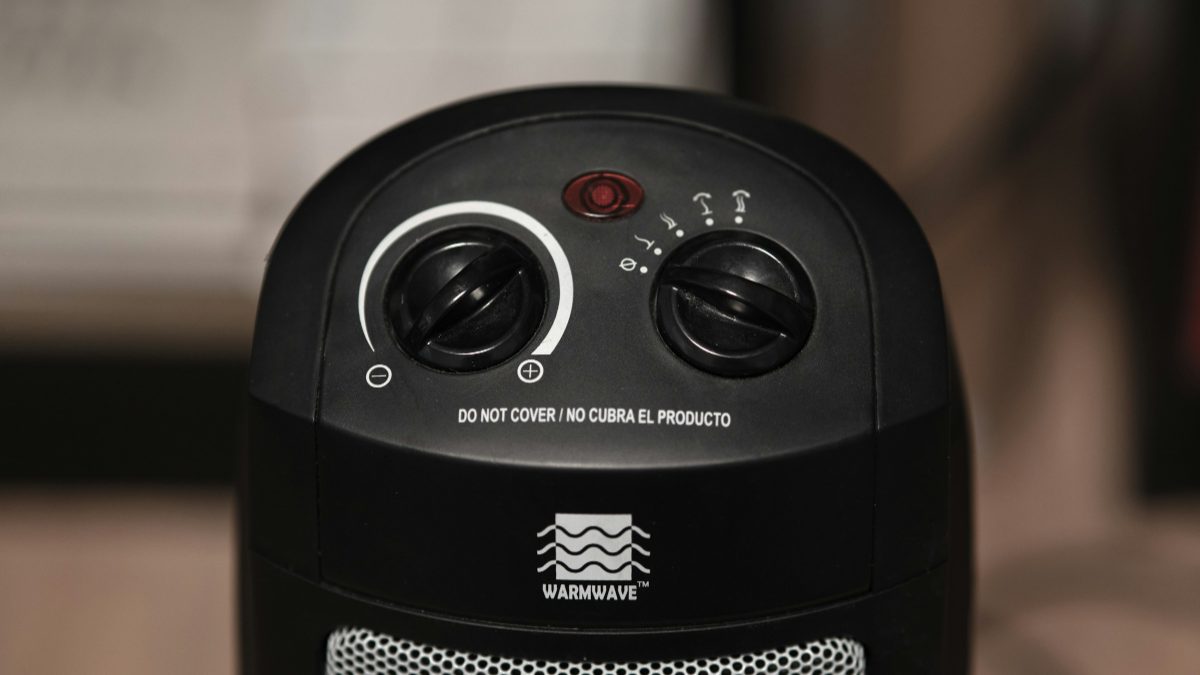
Because a heater draws a large current the moment its prongs touch the contacts. A 1,500 watt heater pulls 12.5 amps at 120 volts, which is most of a standard 15 amp circuit on its own. That heavy current makes even a normal arc bigger. It also heats any contact that is worn or loose. So switch the heater off before plugging it in, and plug it straight into a wall outlet rather than a power bar or extension cord. If the plug, the plate or the cord feels warm after an hour, stop using that outlet for the heater.
Worn Outlets and Loose Connections
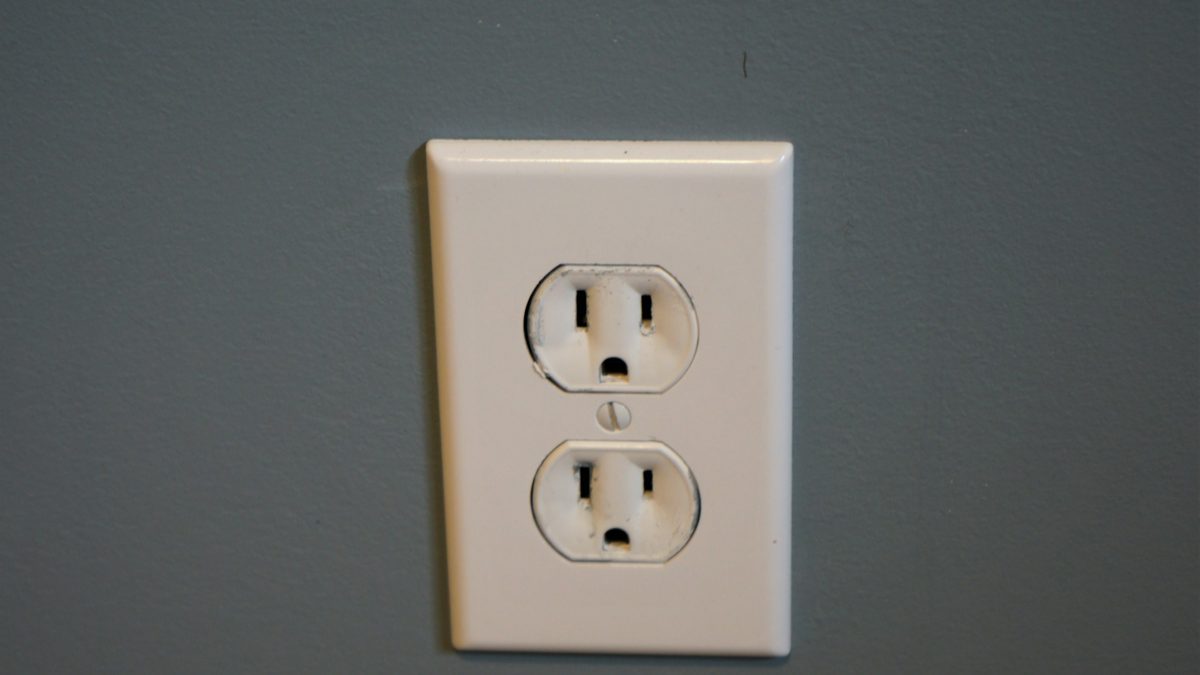
Inside every outlet are pairs of spring metal contacts that grip the prongs. After years of plugs going in and out, especially heavy chargers and adapters, those springs relax. The plug no longer sits tight, and current arcs across the tiny gaps. As a result, you notice a plug that droops or falls out, and eventually a sparking outlet that flashes when the plug is bumped.
Behind the outlet is the other half of the problem. Wires attach either under screw terminals or through push-in holes on the back, often called backstabs. A small spring clip holds a backstabbed wire, and years of heating and cooling loosen that grip. A loose connection then arcs every time the load changes. That is a sparking outlet you often cannot see, because the arcing happens behind the plate.
Loose connections also explain why one outlet can take others down with it. Many outlets pass power to the next outlet on the circuit through their own terminals. Consequently, one burnt connection can leave several outlets dead downstream.
Why Did My Outlet Spark and Then Stop Working?
Usually the arc burnt through a connection, or the spark was a short circuit that tripped a breaker or a GFCI. Check the panel for a tripped breaker, and look for a GFCI outlet with a reset button in a nearby kitchen, bathroom or basement. If nothing has tripped, the connection itself has probably failed. Do not keep resetting things. Our guide to an outlet that has stopped working walks through the dead outlet side of the problem.
In homes with aluminum branch wiring, a sparking outlet carries more risk. The Electrical Safety Authority's May 2025 flash notice on aluminum wiring lists arcing within receptacles, warm cover plates and discoloured receptacles among the warning signs of failing aluminum connections. It also says replacement outlets rated 20 amps or less must be marked CO/ALR or AL-CU. Where an original device was later swapped for a copper-only one, such as a Decora style outlet, ESA says it must be replaced with a device rated for aluminum. Our guide to aluminum wiring in Hamilton explains what that means for insurance.
Water, Kitchens and Bathrooms
A sparking outlet near water is the most dangerous kind. Steam from a kettle, a splash from a sink, a basement leak or rain blowing into an exterior outlet can all bridge the contacts. The result can be a sharp spark, a trip, and a shock risk to whoever touches the plug.
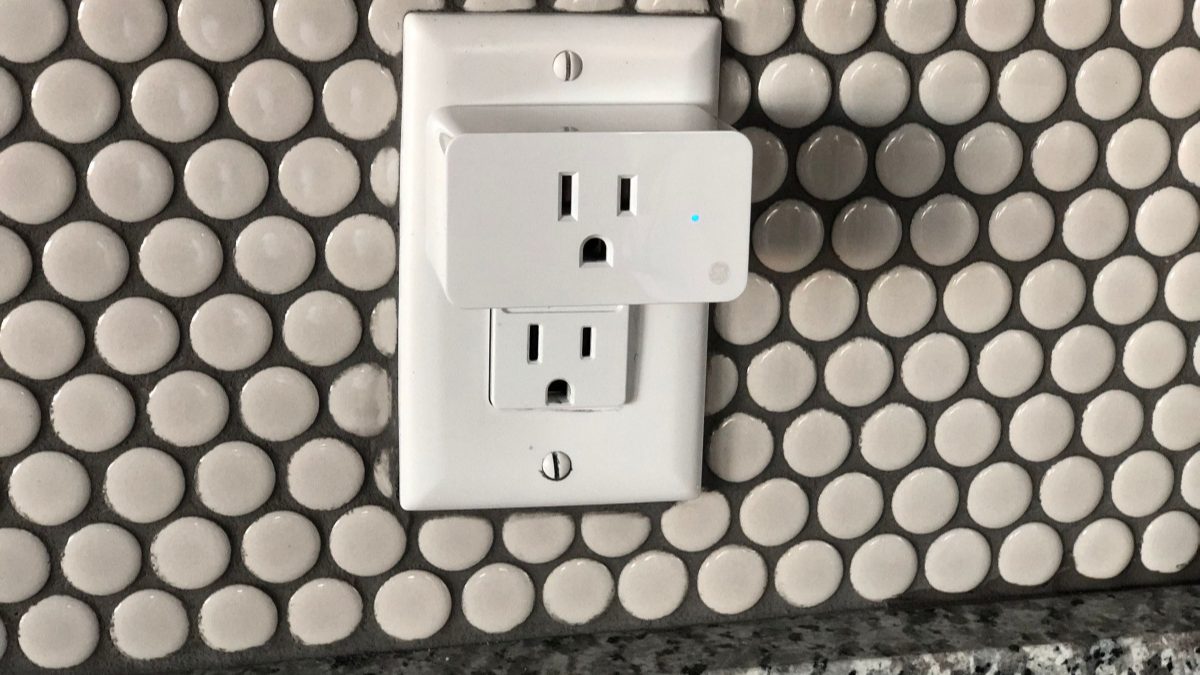
That is why the Ontario Electrical Safety Code requires ground fault protection near water. Under Rule 26-704, as ESA explains in Bulletin 26-29-6, receptacles within 1.5 m of a sink, bathtub or shower need GFCI protection. Outdoor receptacles within 2.5 m of finished grade need Class A GFCI protection as well. A GFCI does not stop a spark. Instead, it cuts the power in a fraction of a second when current leaks to ground, which is what protects the person holding the plug.
What If My Kitchen Outlet Sparks?
Kitchens carry the heaviest loads in most homes: kettles, toasters, air fryers and microwaves sharing one counter. A sparking outlet in the kitchen is often a heavy load meeting a worn contact. However, a kitchen outlet also sits close to water. If it sparked after a spill, or the outlet looks wet, switch the breaker off and let an electrician open it. ESA's bulletin also notes that split kitchen receptacles do not come with GFCI protection built in, and it recommends GFCI protected replacements where possible.
4 Safe Checks Before You Call an Electrician
None of these checks involve removing the cover plate, touching wires or plugging anything back in. Do them with the sparking outlet out of use, and stop at the first sign of heat, a smell or smoke.
- Note what was plugged in, and whether it was switched on. A running heater or vacuum explains a small spark. A switched-off phone charger does not.
- Look at the plug once it is out. Blackened, pitted or bent prongs, a cracked housing or a melted spot mean the plug or cord is damaged too.
- Think about the fit. Have plugs been sliding out of this outlet, or drooping, in recent weeks? Worn contacts usually show up that way long before they spark.
- Check the panel and nearby GFCIs. A tripped breaker or GFCI tells the electrician the spark was big enough to be a fault. Write down which breaker it was, then leave it off.
Do not replace a sparking outlet just to see if the sparks stop. A new device on a loose, burnt or aluminum connection will spark again, and the real fault stays hidden in the box. If light switches on the same circuit also hum or crackle, our guide to a buzzing or crackling light switch covers that side.
The Numbers Behind an Outlet Spark
A few figures show why an electrician treats a sparking outlet seriously, and why the repair is about more than the device itself.
| Item | The figure | Why it matters |
|---|---|---|
| Electrical fires in Ontario | About 1,000 a year that cause structure loss, and about 10 deaths a year | ESA lists receptacles and switches among the sources |
| Home wiring and equipment fires in Ontario | About 453 a year, with three deaths | ESA links most electrical fires to incorrect or improper installation |
| AFCI protection | Could cut residential electrical distribution fires by 71%, from ESA's analysis of Fire Marshal data | Arc fault breakers catch arcing that a standard breaker misses |
| U.S. home fires from wiring, outlets and lighting | 32,620 a year on average, 2015 to 2019 | Wiring and related equipment caused 68% of them |
| Standard outlet circuit | 15 amps at 120 volts, about 1,800 watts | One space heater uses most of it |
| A 1,500 watt space heater | 12.5 amps | Heavy current makes every weak contact worse |
| GFCI near water | Within 1.5 m of a sink, tub or shower, and outdoors within 2.5 m of grade | Required under OESC Rule 26-704 |
The Ontario figures come from ESA's flash notice on residential electrical fires, based on the 2023 Ontario Electrical Safety Report. The U.S. figure is from the National Fire Protection Association's report on electrical distribution and lighting equipment fires. That NFPA report also found that December to March accounted for 40% of these fires. It matches what we see in Hamilton, where space heaters, block heaters and holiday lights all lean on outlets in the coldest months.
Why Hamilton Homes See It More
Hamilton's housing stock decides which cause we find. With a sparking outlet, the age of the house is usually the first clue.
- Pre-war homes in Durand, Kirkendall, Crown Point and the North End. Original outlets with tired springs are common, along with two-prong outlets on ungrounded circuits and sometimes knob and tube wiring behind the plaster. Here a sparking outlet is often simply worn out, and several at once can point to home rewiring.
- 1960s and 1970s homes on the Mountain, in east Hamilton and in Stoney Creek. This is the aluminum branch wiring era. Any outlet that sparks or runs warm in these homes needs its connections checked and a device rated for aluminum.
- Newer builds in Ancaster, Binbrook and Waterdown. Kitchens and home offices put heavy loads on shared circuits, and AFCI breakers trip when they sense arcing. In these homes, a trip after a spark is usually the protection working.
- Rentals and older condos across the city. Outlets get swapped by owners and tenants over the years. As a result, one circuit can hold push-in connections, copper-only devices on aluminum wire, and outlets that were never tamper-resistant.
The Hamilton Fire Department has named electrical causes among the top causes of residential structure fires in the city, alongside careless smoking and unattended cooking.
Will an AFCI Breaker Catch a Sparking Outlet?
Often, yes. A combination type AFCI breaker watches the circuit for the electrical signature of arcing and cuts the power when it finds it. A standard breaker, by comparison, only trips on too much current. Meanwhile, a loose connection behind a sparking outlet can arc for a long time without drawing too much. ESA expanded the AFCI requirement to almost all living spaces in 2015, so many older Hamilton homes do not have it on their outlet circuits. ESA strongly recommends adding it to existing wiring, and our guide to affordable electrical upgrades covers it alongside other low-cost protection. If an AFCI on that circuit keeps cutting out, see our guide to an arc fault breaker that trips.
What a Licensed Electrician Does About It
A proper repair of a sparking outlet finds the cause before anything is replaced. On an Apollo service call, the work runs in this order.
- Isolate and test. The circuit is switched off and tested dead before the plate comes off.
- Inspect the box. We look at both terminals of the sparking outlet, every splice behind it, the insulation and any heat damage. We also check the next outlets on the same circuit.
- Identify the wire. Copper, aluminum, ungrounded two-wire and knob and tube each need a different repair.
- Remake or replace. Burnt wire is trimmed back to clean conductor and moved to the screw terminals. Worn devices are replaced with tamper-resistant outlets, CO/ALR rated on aluminum, with GFCI protection where water is nearby.
- Test under load. The outlet is checked for polarity, grounding and a firm grip on the prongs, and the circuit is tested with a real load before we leave.
On paperwork, ESA's Bulletin 26-29-6 says a replacement receptacle in a dwelling must be tamper-resistant under Rule 26-706. If the wiring to an outlet is replaced, or the circuit is extended, the work must also meet the AFCI rule. The owner exemption on ESA's notifications page is worded around certain light fixtures and switches, and outlets are not listed. That is why a sparking outlet is work for a Licensed Electrical Contractor, who takes out any notification the repair needs.
Most of these repairs take a single visit, and they are routine work for our residential electrical services team. If we find aluminum wiring, a burnt splice or several failing outlets, we put a written scope in front of you first. For a wider look at the house, our electrical safety inspection covers the panel, the grounding and the devices most likely to fail next.
Who to Call, and How Fast
With a sparking outlet, decide by what you saw, heard and smelled, not by the time of day.
| What you notice | Who to call | How soon |
|---|---|---|
| Smoke, flame or fire | 911, from outside | Now |
| A big spark, a pop, black marks or a hot smell | A licensed electrician, with the breaker off | Today, at any hour |
| A wet outlet, or sparks after a spill | A licensed electrician, with the breaker off | Today |
| Sparks every time, or plugs that fall out | A licensed electrician | Within a few days, outlet left unused |
| One small blue snap with a running appliance | Nobody yet. Switch devices off before plugging in | Book a visit if it starts to repeat |
Our line is answered 24 hours a day for a sparking outlet in any of the urgent rows. For anything with smoke, heat or a burnt mark, our emergency electrician in Hamilton page explains what happens after you call.
What Hamilton customers say
Called Zvonko from Apollo Electric to check a problem with a plug that caused a short circuit. Came same day and all was in order within 15 minutes.
Sam The Handyman, via HomeStars
He is an expert at diagnosing complex problems that others couldn’t diagnose.
Mark Crooker, President, Optimal Property Management, via Trusted Pros
Zvonko hooked us up with an outdoor plug, and also discovered a serious fire hazard a previous owner had hidden inside the walls.
Jason Rondeau, Hamilton
Frequently Asked Questions
Is it normal for an outlet to spark when you plug something in?
A single small, blue spark that vanishes instantly is normal, especially if the appliance was switched on or has a charger inside. It is a tiny arc as the prongs meet the live contacts. Sparks that are large, yellow, orange or white, that happen every time, or that come with a pop, smoke or a smell are not normal and need an electrician.
Can a sparking outlet start a fire?
Yes, when the spark comes from a loose connection, worn contacts, a damaged cord or a short circuit. Those arcs repeat and heat the outlet, the wire insulation and the box until something can ignite. The Electrical Safety Authority lists receptacles among the sources of electrical fires in Ontario homes. Turn the breaker off and have the outlet opened by a licensed electrician.
Why does my outlet spark when I unplug something?
Pulling out a device that is still running breaks the circuit while current flows, so a brief arc jumps the gap as the prongs leave the contacts. Switching the device off before unplugging prevents it. If an outlet sparks when you unplug something that was already off, or plugs come out with almost no resistance, the outlet contacts are probably worn.
Should I turn off the breaker if an outlet sparks?
Yes, for anything bigger than one small blue snap. Switch off the breaker for that circuit before you touch the plug, then unplug the device once the power is off. If you cannot tell which breaker it is, switch off the main. If there is smoke or flame, leave the house and call 911 instead of going to the panel.
Can I replace a sparking outlet myself in Ontario?
The Electrical Safety Authority's owner exemption is worded around certain light fixtures and switches, and outlets are not listed. A sparking outlet is also usually a symptom of a loose connection, aluminum wiring or water, which a new outlet does not fix. Replacement outlets must be tamper-resistant, so have a Licensed Electrical Contractor find the cause and take out any notification.
Does Apollo Electric repair sparking outlets in Hamilton?
Yes. Apollo Electric Inc. diagnoses and repairs sparking outlets across Hamilton, Stoney Creek, Ancaster, Dundas, Waterdown and Burlington. We isolate the circuit, inspect every connection in the box, check the wire type and replace damaged devices with the right rated outlet. Call 905-921-5487, and the line is answered 24 hours a day.
References and Resources
References
- Electrical Safety Authority, Flash Notice 25-06-FL, Residential fires linked to electrical wiring and equipment (May 2025)
- Electrical Safety Authority, Bulletin 26-29-6, Electrical replacement and alterations in dwelling units (May 2025)
- Electrical Safety Authority, Bulletin 26-18-15, AFCI and GFCI in a dwelling unit (May 2025)
- Electrical Safety Authority, Flash Notice 25-18-FL, Aluminum wiring in residential installations (May 2025)
- Electrical Safety Authority, Grounded in Ontario, Episode 3: arc fault and ground fault circuit interrupters
- Electrical Safety Authority, Notifications and Inspections
- Electrical Safety Authority, Ontario Electrical Safety Code
- National Fire Protection Association, Home Fires Caused by Electrical Distribution and Lighting Equipment, report summary (NFPA Journal, Winter 2022)
- City of Hamilton, Hamilton Fire Department, Fire Prevention Week release (October 2021)
Helpful Resources
- ESA contractor locator: check any electrician's ECRA/ESA licence before they start
- ESA guide to hiring an electrician: what a Licensed Electrical Contractor must provide
- Government of Canada recalls: check outlets, power bars, chargers and space heaters for recalls
- Hamilton Fire Department: home fire safety, smoke alarms and fire prevention for Hamilton residents
- Apollo Electric tips and guides: every troubleshooting guide in one place
Apollo Electric Inc.
Still have a sparking outlet after the four checks? We will find the cause and fix it properly.
Apollo Electric Inc., 83 Ferndale Ave, Hamilton, ON L8K 4L7
905-921-5487 · ECRA/ESA 7009372 · WSIB compliant · Answered 24 hours a day