Electrical Troubleshooting · Hamilton, ON
AFCI Breaker Tripping in Hamilton
AFCI breaker tripping usually comes from a noisy appliance, a worn breaker or a wiring fault you cannot see. Here is how to tell which, and when to call a licensed electrician.
 WSIB compliant · 30+ years · ECRA/ESA 7009372
Quick answer
AFCI breaker tripping means the breaker saw an electrical pattern that looks like arcing. Sometimes that is a harmless motor in a vacuum or treadmill. Often, though, it is a real fault: a loose connection, a shared neutral or a damaged wire. If it trips with nothing plugged in, leave it off and call a licensed electrician.
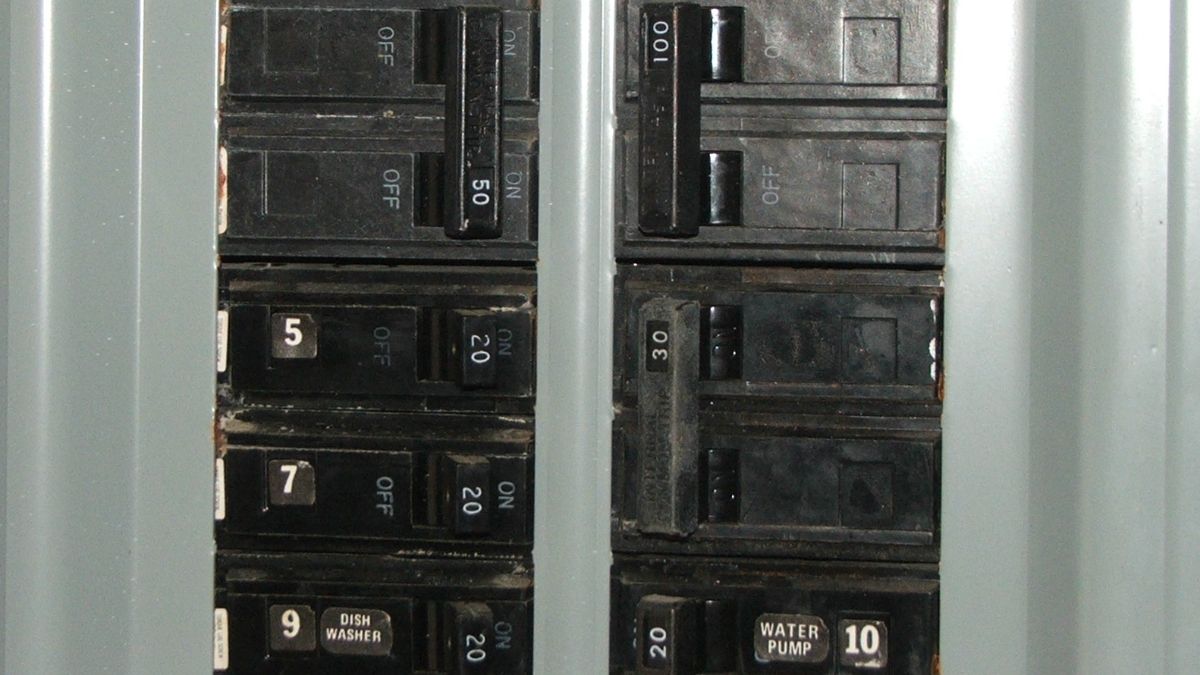
The power cuts out in the bedroom, and the breaker that tripped has a small TEST button on it. That button usually means it is an arc fault circuit interrupter, or AFCI, although a GFCI breaker has one too. An AFCI is one of the most sensitive breakers in your house, by design. If the device that keeps tripping is a GFCI receptacle instead, see what a repeat GFCI trip means.
AFCI breaker tripping is a common call from newer Hamilton homes. We also hear about it from older homes right after a basement or kitchen renovation. This guide explains what the breaker is watching for and the seven causes we find most often. It also shows the point where you should stop resetting it.
What an Arc Fault Breaker Is Watching For
An AFCI is a breaker that reads the shape of the current, not just the amount. A standard breaker trips on overloads and short circuits. An AFCI adds a second job. It looks for the ragged, high-frequency signal that an electrical arc makes, and it cuts the power quickly, to stop that arc from starting a fire in the wood or insulation around it.
Arcs come in two kinds. A parallel arc jumps between two conductors, such as where a nail has gone through a cable. A series arc happens along one conductor, at a loose terminal or a cracked wire. The Electrical Safety Authority's bulletin on AFCI protection in dwelling units describes the combination type as protecting against both kinds across the entire branch circuit. That is the type Ontario's code calls for.
Many combination AFCI breakers also watch for a small leak of current to ground. As a result, a neutral wire touching a bare ground wire inside a box can trip one, even though a standard breaker would never notice it. Once you know both jobs, AFCI breaker tripping is much easier to make sense of.
How Do I Know If My Breaker Is an AFCI?
Look for a TEST button on the face of the breaker and read its printed label. An arc fault breaker is marked Combination Type AFCI, CAFCI or similar. Some newer breakers combine arc fault and ground fault protection in one device and are labelled dual function. A GFCI breaker also has a TEST button, so read the label rather than guessing.
Why Is My AFCI Breaker Tripping?
Almost every case of AFCI breaker tripping we diagnose in Hamilton comes down to one of seven causes. The first three are nuisance trips, where the breaker reacts to something normal. The last four are faults the breaker was installed to catch.
| Cause | What you notice | How serious |
|---|---|---|
| 1. A motor appliance such as a vacuum, treadmill or older power tool | Trips only when that appliance starts or runs | A nuisance. Try another circuit |
| 2. Electronics with noisy power supplies | Trips with certain chargers, LED drivers or power bars plugged in | Usually a nuisance, but worth reporting |
| 3. An early or failing AFCI breaker | Random trips on an older AFCI, or the TEST button no longer trips it | Moderate. Replace with a current model |
| 4. A shared or crossed neutral | Trips the moment any load comes on, often after a renovation | Wiring fault. Needs an electrician |
| 5. Neutral touching ground in a box | Trips instantly, sometimes with almost nothing running | Wiring fault. Needs an electrician |
| 6. A loose connection at a receptacle or switch | Trips at random, with flicker, warmth or crackling | Urgent. Leave it off |
| 7. Damaged cable, such as a nail or screw through a wire | Trips and will not stay on, often after a picture, shelf or renovation | Urgent. Leave it off |
Is It a Nuisance Trip or a Real Fault?
The first three causes of AFCI breaker tripping are inconvenient. The last four are exactly why the breaker exists. A standard breaker would let a loose connection keep heating for months, because the circuit is not drawing too much current. If several rooms lose power at once, not just one circuit, our guide to a partial power outage is the better place to start. On the other hand, if a regular breaker trips because too many heaters share one circuit, our guide to a standard breaker that keeps tripping covers overloads and short circuits.
Leave It Off and Call If You Notice Any of These
Smoke, flame, sparks or a burning smell from a receptacle, a switch or the panel? Leave the area, close the door and call 911. Do not reset the breaker.
Short of that, these signs mean AFCI breaker tripping is a warning, and the breaker should stay off until a licensed electrician has tested the circuit:
- It trips again right after a reset, with nothing plugged in
- It trips at random, at different times, with different things running
- A receptacle or switch on that circuit is warm, discoloured or crackles
- Lights on the circuit flicker just before it trips
- The trips started after a renovation, or after a shelf or picture went up
Resetting an AFCI once is reasonable. Resetting it again and again hides the exact fault it is reporting. If a receptacle is only warm or has a faint smell, see our guide to an outlet burning smell. For a brief spark when a plug goes in, see our guide to a receptacle that sparks.
Nuisance Trips: Motors, Chargers and Older Breakers
A nuisance trip is a trip with no hazard behind it. The breaker sees a normal electrical signal that happens to look like arcing, and it errs on the safe side. That is still AFCI breaker tripping, but the fix is about the appliance or the breaker, not the wiring.
In its AFCI backgrounder, the Canadian Home Builders' Association lists treadmills, LED lighting, vacuums and furnaces among the loads linked to AFCI breaker tripping with no real fault behind it. Builders also report it with heat pumps, variable-speed motors and power tools.
Why Does My Vacuum Trip the Arc Fault Breaker?
Many vacuums run on a brush motor. Inside it, small carbon brushes rub against a spinning part and make tiny sparks with every turn. That arcing is normal and contained inside the appliance. Even so, an older AFCI can mistake it for arcing in the wall, especially once the brushes wear.
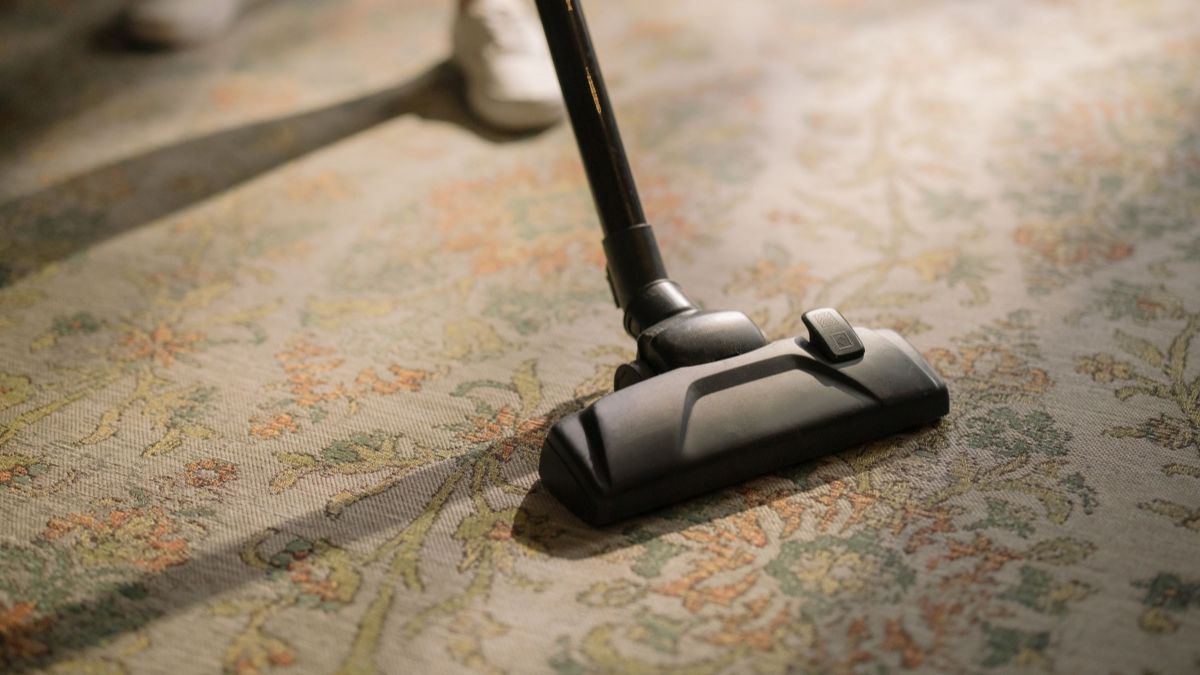
The test for this kind of AFCI breaker tripping is simple. Plug the same vacuum into a receptacle on another AFCI-protected circuit. If only the original breaker trips, either that breaker is oversensitive or its circuit has a weak connection that the extra load exposes. If the other AFCI trips too, the vacuum is the likely cause.
Can a Charger, Dimmer or Power Bar Trip an AFCI?
Yes. Cheap chargers, LED drivers and some power bars send electrical noise back onto the circuit, and the breaker can read it as arcing. Dimmers can matter too. Lutron, a major dimmer maker, explains in its note on dimmers that trip AFCI breakers that the trouble usually starts when a dimmer's neutral is tied to the neutral of another circuit. If a dimmer on the same circuit also hums, our guide to a buzzing light switch explains why.
Should Nuisance Trips Be Reported?
Yes. The Electrical Safety Authority's AFCI nuisance tripping page asks contractors to report both the appliance and the breaker, with model and serial numbers. Reports go through an Electro-Federation Canada form, and ESA works with that group to alert manufacturers. A Licensed Electrical Contractor who confirms a nuisance trip can file that report.
Wiring Faults an Arc Fault Breaker Is Built to Catch
When AFCI breaker tripping happens at random, or the breaker will not stay on with nothing plugged in, the breaker is usually right. These are the faults we find behind the cover plates.
What Is a Shared Neutral, and Why Does It Trip an AFCI?
Many combination AFCIs compare the current leaving on the hot wire with the current returning on its own neutral. If that neutral is joined to the neutral of another circuit somewhere in a box, part of the current comes home the wrong way. The breaker sees the mismatch and trips as soon as any load comes on. Shared neutrals are common in older wiring and in renovations where new runs were spliced into existing boxes.
Why Does It Trip With Nothing Plugged In?
The fault is in the wiring itself, and AFCI breaker tripping with no load is the clearest sign of it. A bare ground wire resting on a neutral terminal, a screw driven through a cable or a crushed wire behind a baseboard can all trip the breaker with no load at all. In that case, leave it off. Each reset sends current through the damaged spot again.
Can a Loose Outlet Trip an AFCI?
Yes, and this is the trip worth thanking the breaker for. A worn receptacle, or a push-in connection that has loosened over the years, makes a small series arc whenever current flows. That arc is heat inside the wall box, and it often shows up first as lights that flicker on the same circuit. Homes with aluminum branch wiring carry more of this risk, which is covered on our page about aluminum wiring repair in Hamilton.
4 Safe Checks Before You Call an Electrician
These checks sort most AFCI breaker tripping into an appliance problem or a wiring problem. None of them involve removing a cover plate or the panel cover, and you should stop at the first sign of heat, a smell or crackling.
- Write down what was running. Note the time, the room and every device that was on when it tripped. A pattern that follows one appliance points to a nuisance trip. A random pattern points to the wiring.
- Unplug everything on that circuit and reset once. Switch the breaker fully off, then on. If it trips again with nothing plugged in and the lights off, stop there. That is a wiring fault.
- Add things back one at a time. If the empty circuit holds, plug devices back in one by one, a minute apart. The device that trips it is your suspect, so try it on another circuit to confirm.
- Press the TEST button. With the breaker on, press TEST and it should trip. The Electrical Safety Foundation International recommends testing AFCIs every month. If it does not trip, the breaker has failed.
Can the Breaker Tell Me Why It Tripped?
Some breakers also remember what caused the last trip, which takes the guesswork out of AFCI breaker tripping. Square D combination AFCI breakers with TIME SAVER diagnostics store the last trip type and can show it during a diagnostic check, according to the manufacturer's guide. Some other brands show the cause on a small indicator light. If yours does, note what it shows before you call, because it shortens the diagnosis.
One thing not to do: swap the AFCI for a standard breaker. It removes protection the code requires, and it would fail an ESA inspection. Worse, it hides the one fault the breaker exists to catch. If a receptacle on the same circuit is still dead after the reset, our guide to an outlet not working covers GFCI resets and switched receptacles.
Ontario's AFCI Rules, in Numbers
A few figures explain why a newer home has so many AFCIs, and why an older one may have only a few. They also explain why AFCI breaker tripping is more common in some Hamilton houses than others.
| Item | The figure | Why it matters |
|---|---|---|
| Bedroom circuits | AFCI required on bedroom receptacle circuits since 2002 | Homes built between 2002 and 2016 often have AFCIs on bedroom circuits only |
| Whole-home expansion | Ontario code in force 5 May 2016 extended AFCI to 125 volt receptacle circuits of 20 amps or less, with a few exceptions | Homes wired since then have AFCIs on most circuits |
| Current code | 2024 Ontario Electrical Safety Code, in force 1 May 2025, Rule 26-658 | The rule an electrician works to today |
| Main exceptions | Kitchen counter, kitchen refrigerator, bathroom basin and single labelled sump pump receptacles | A trip that goes unnoticed on a fridge or sump pump is a problem in itself |
| Fire reduction | ESA estimates AFCIs could cut residential electrical distribution fires by up to 71%, based on Ontario Fire Marshal data | Why the rule keeps expanding |
| Inspection defects | Over 1,400 arc fault defects found by ESA inspectors in one year | Arc fault defects were ESA's top wiring defect that year |
Where Do These AFCI Figures Come From?
The dates come from Electrical Business's report on the 2015 code taking effect on 5 May 2016 and from Electro-Federation Canada's notice on the 2024 code. The defect count and the 71% figure come from ESA's Grounded in Ontario episode on arc fault protection. Legrand's summary of the code changes behind the expansion explains the exceptions. Some of those receptacles already need GFCI protection, and on a fridge or sump pump an unnoticed trip could cause damage.

Do I Have to Add AFCI Breakers to an Older Home?
Not for existing circuits that are left alone. ESA's bulletin on replacements and alterations in dwelling units says the rule is not retroactive, even when the panel is replaced or upgraded. However, it does apply when wiring to existing receptacles is replaced, such as during knob and tube wiring removal. It also applies when a circuit is extended with new receptacles. ESA still recommends adding arc fault protection to existing wiring.
So a 1950s house with a brand new panel may still have standard breakers on most circuits. Meanwhile, the same house with a newly finished basement often has an AFCI on every circuit that was extended. If AFCI breakers are no longer made for an older panel, an electrical panel upgrade can be the longer-term fix.
Why Hamilton Homes Trip Differently
Hamilton's housing stock shapes what we find. With AFCI breaker tripping, the age of the wiring is usually the best clue.
- Newer builds in Binbrook, Waterdown and Ancaster. Homes wired since the May 2016 code change have combination AFCIs on nearly every receptacle circuit. Nuisance trips from treadmills, vacuums and chargers are the usual story, plus the occasional nail through a cable after a shelf goes up.
- Pre-war homes in Durand, Kirkendall, Crown Point and the North End. AFCIs usually appear only where wiring was replaced or extended. Old splices and shared neutrals often make a new AFCI trip straight away, which is the breaker exposing a problem that was already there. Many of these houses also still have two-prong outlets, and one with trouble on several circuits may be due for home rewiring.
- 1960s and 1970s homes on the Mountain and in east Hamilton. Aluminum branch wiring is common from this era. A new AFCI on one of these circuits can trip on loose terminations, which calls for a proper repair rather than a breaker swap.
- Basement finishes and furnace upgrades across the city. ESA requires arc fault protection when a circuit is extended with new receptacles, including a new receptacle at the furnace for a condensate pump or humidifier. Furnace equipment is on the CHBA's list of nuisance trip loads.
What a Licensed Electrician Does About It
A proper fix for AFCI breaker tripping starts by finding the cause before any part is replaced. On an Apollo service call, the work runs in this order.
- Read the breaker. We record any diagnostic code, check the breaker type and age, and confirm the TEST button works.
- Separate the loads. Devices come off the circuit and the breaker is tested empty, so a nuisance load can be told apart from a wiring fault.
- Test the wiring. With the circuit off, we test the insulation and check for neutral to ground contact and neutrals shared with other circuits.
- Open the boxes. Receptacles and switches on the circuit are checked for loose screws, push-in connections and heat damage, starting where the trouble began.
- Repair and retest. Connections are remade, shared neutrals are separated and damaged cable is replaced. Then the AFCI is reset and run under normal load before we leave.
Most of this work needs an ESA notification under the notification and inspection rules, and a Licensed Electrical Contractor files it. Apollo is a member of the ESA Authorized Contractor Program. Most AFCI calls take a single visit, and they are routine work for our residential electrical services team. For a wider look at the house, our electrical safety inspection covers the panel, the grounding and the devices most likely to fail next.
Who to Call, and How Fast
With AFCI breaker tripping, decide by what the breaker is doing and what you can see, feel and smell, not by the time of day.
| What you notice | Who to call | How soon |
|---|---|---|
| Smoke, flame, sparks or a burning smell | 911 | Now |
| Trips with nothing plugged in, or will not reset | A licensed electrician, with the breaker left off | Today, 24/7 |
| Random trips with flicker, heat or crackling | A licensed electrician, with the breaker left off | Today, 24/7 |
| Trips only with one appliance | Try that appliance on another circuit, then book an electrician if it continues | Within a week |
| The TEST button does not trip it | A licensed electrician to replace the breaker | Within a few days |
Our 24/7 emergency service covers the urgent rows. Our emergency electrician in Hamilton page explains what happens after you call.
What Hamilton customers say
He is an expert at diagnosing complex problems that others couldn’t diagnose.
Mark Crooker, Optimal Property Management (via Trusted Pros)
Zvonko hooked us up with an outdoor plug, and also discovered a serious fire hazard a previous owner had hidden inside the walls.
Jason Rondeau, Hamilton
Honest, quality work, he really knows his trade.
Tom, Dundas
Frequently Asked Questions
Is it dangerous if my AFCI breaker keeps tripping?
It can be. AFCI breaker tripping that follows one appliance, such as a vacuum or treadmill, is usually a nuisance trip with no hazard behind it. Random trips, trips with nothing plugged in, or trips with heat or flicker point to a loose connection, a shared neutral or damaged wire. Those are fire risks, so leave the breaker off and have a licensed electrician test the circuit.
Why does my vacuum trip the AFCI breaker?
Many vacuums use brush motors that spark slightly inside as they run. An AFCI can read that normal internal arcing as a fault, especially an older breaker or a vacuum with worn brushes. Plug the vacuum into another AFCI-protected circuit. If only the original breaker trips, have that circuit checked. If the other AFCI trips too, the vacuum is the likely cause.
Can I replace an AFCI breaker with a regular breaker?
No. Ontario's code requires combination AFCI protection on most receptacle circuits in homes wired since 2016, and on circuits that are extended or rewired. Swapping in a standard breaker removes that protection, would fail an ESA inspection and hides the fault the AFCI was reporting. A licensed electrician can replace a faulty AFCI with a current model instead.
How often should I test an AFCI breaker?
Once a month is the common guidance from the Electrical Safety Foundation International. With the breaker on, press the TEST button, and it should trip right away. Then switch it fully off and back on to reset it. If it does not trip, the breaker has failed and should be replaced by a licensed electrician.
Do older Hamilton homes need AFCI breakers?
Not on existing circuits that are left unaltered, because ESA's rule is not retroactive, even when a panel is replaced. Arc fault protection is required when wiring to existing receptacles is replaced, such as during knob and tube removal, and when a circuit is extended with new receptacles. ESA still recommends adding arc fault protection to older wiring.
Does Apollo Electric fix AFCI breaker tripping in Hamilton?
Yes. Apollo Electric Inc. diagnoses AFCI breaker tripping across Hamilton, Stoney Creek, Ancaster, Dundas, Waterdown and Burlington. We read the breaker, separate nuisance loads from wiring faults, test the circuit and repair what we find, from loose connections to shared neutrals. Call 905-921-5487 for 24/7 emergency service.
References and Resources
References
- Electrical Safety Authority, Bulletin 26-18-15, AFCI and GFCI protection in a dwelling unit (May 2025)
- Electrical Safety Authority, Bulletin 26-29-6, Electrical replacement and alterations in dwelling units (May 2025)
- Electrical Safety Authority, AFCI Nuisance Tripping
- Electrical Safety Authority, Notifications and Inspections
- Electrical Business, 26th OESC comes into effect today (May 5, 2016)
- Electro-Federation Canada, 2024 Ontario Electrical Safety Code is Now Available
- Electrical Safety Authority, Grounded in Ontario, Episode 3: Arc Fault and Ground Fault Circuit Interrupters (transcript)
- Electrical Industry News Week, 22 CE Code Changes Related to Wiring Devices, Part 2 (Legrand, 2016)
- Canadian Home Builders' Association, Understanding Arc-Fault Circuit Interrupters: Backgrounder
- Lutron Electronics, Lutron Dimmer or Switch is Tripping AFCI Breaker
- Schneider Electric, Square D QO and Homeline CAFI breakers with TIME SAVER Diagnostics
- Electrical Safety Foundation International, How to Test an AFCI
Helpful Resources
- ESA contractor locator: check any electrician's ECRA/ESA licence before they start
- Electro-Federation Canada AFCI tripping report: the form ESA points contractors to for nuisance trips
- O. Reg. 449/24: the regulation that adopted the 2024 Ontario Electrical Safety Code
- Government of Canada recalls: check breakers, power bars and chargers for recalls
- Apollo Electric tips and guides: every troubleshooting guide in one place
Apollo Electric Inc.
Still dealing with AFCI breaker tripping after the four checks? We will find the cause and fix it properly.
Apollo Electric Inc., 83 Ferndale Ave, Hamilton, ON L8K 4L7
905-921-5487 · ECRA/ESA 7009372 · WSIB compliant · 24/7 emergency service